
The complete guide
A Parent's Guide to Choosing an Age-Four Kangaroo Costume
A playful outfit starts with a practical fit
Choosing a child's costume can seem simple until you start checking the details. A fun animal theme is one part of the decision. You also need to know what comes in the pack, how the outfit goes on and whether it will fit your child at the time they need it.
The Baby Kangaroo Costume 12-18 Months is listed as a one-piece jumpsuit with a separate shaped hood and individual foot covers. That gives you a clear starting point for a kangaroo dress-up outfit. The main question is fit, because the maker's description does not provide garment measurements.
This guide separates the stated details from the things worth checking. That matters most when you are buying for a birthday, school event or seasonal celebration with a fixed date.
What is included in the costume
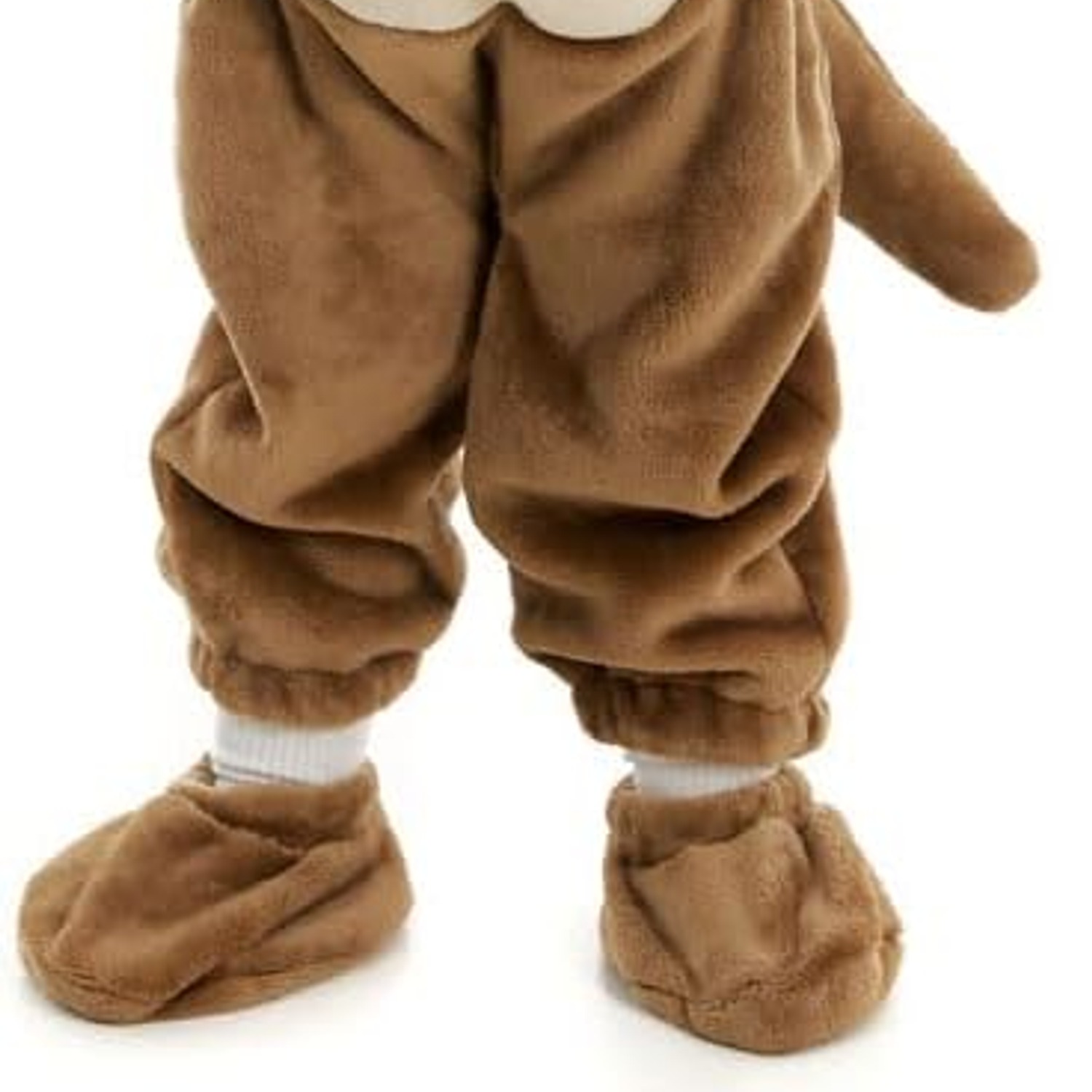
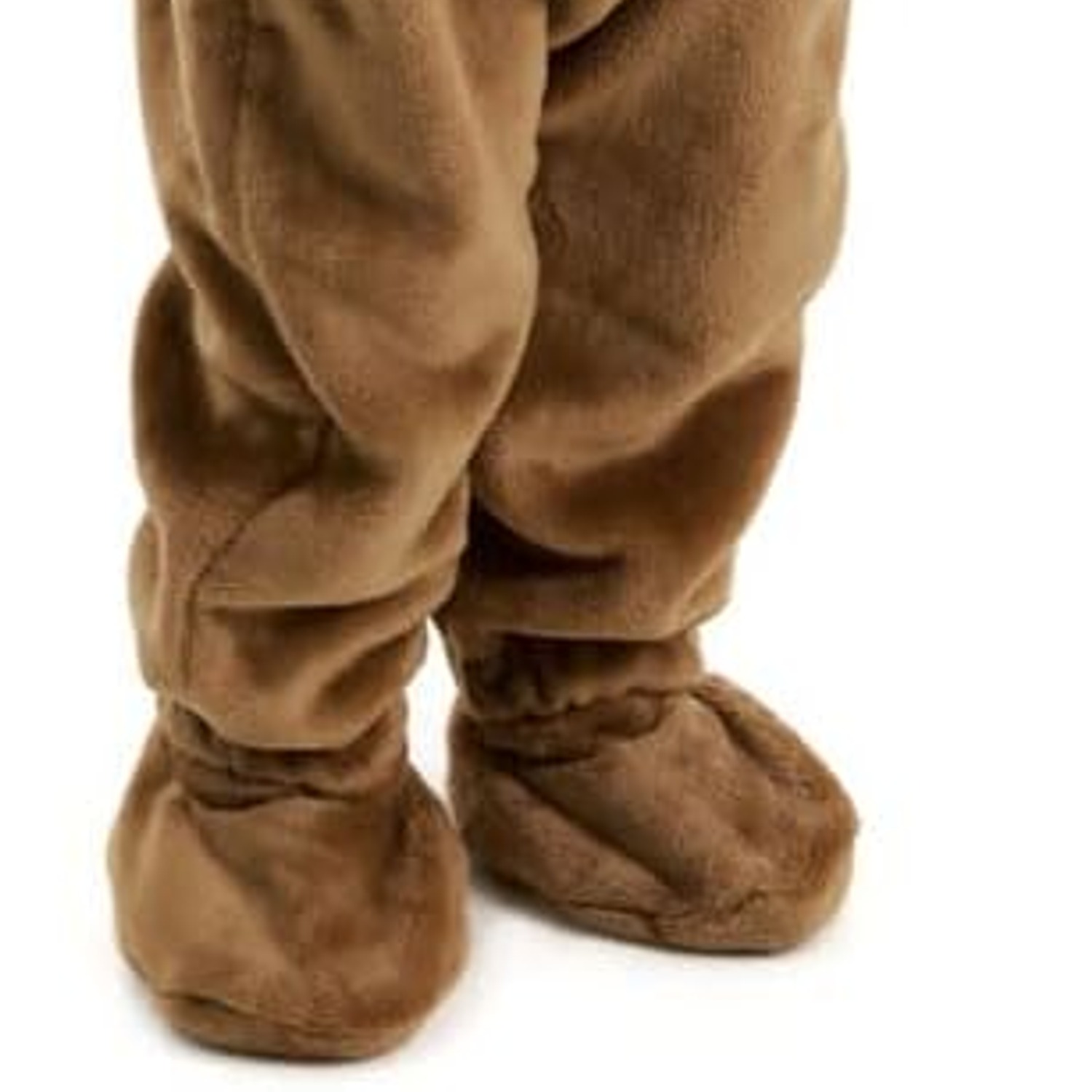
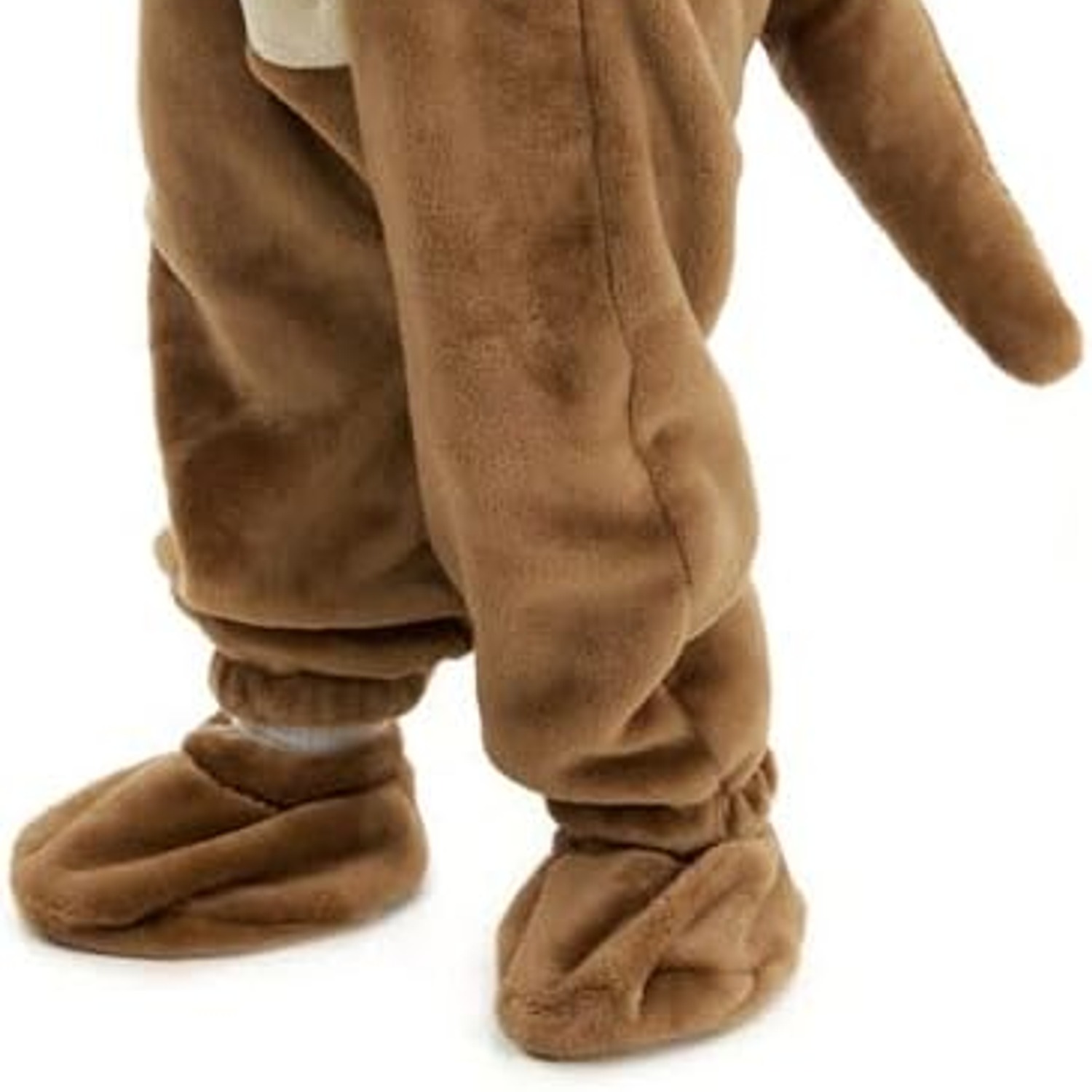
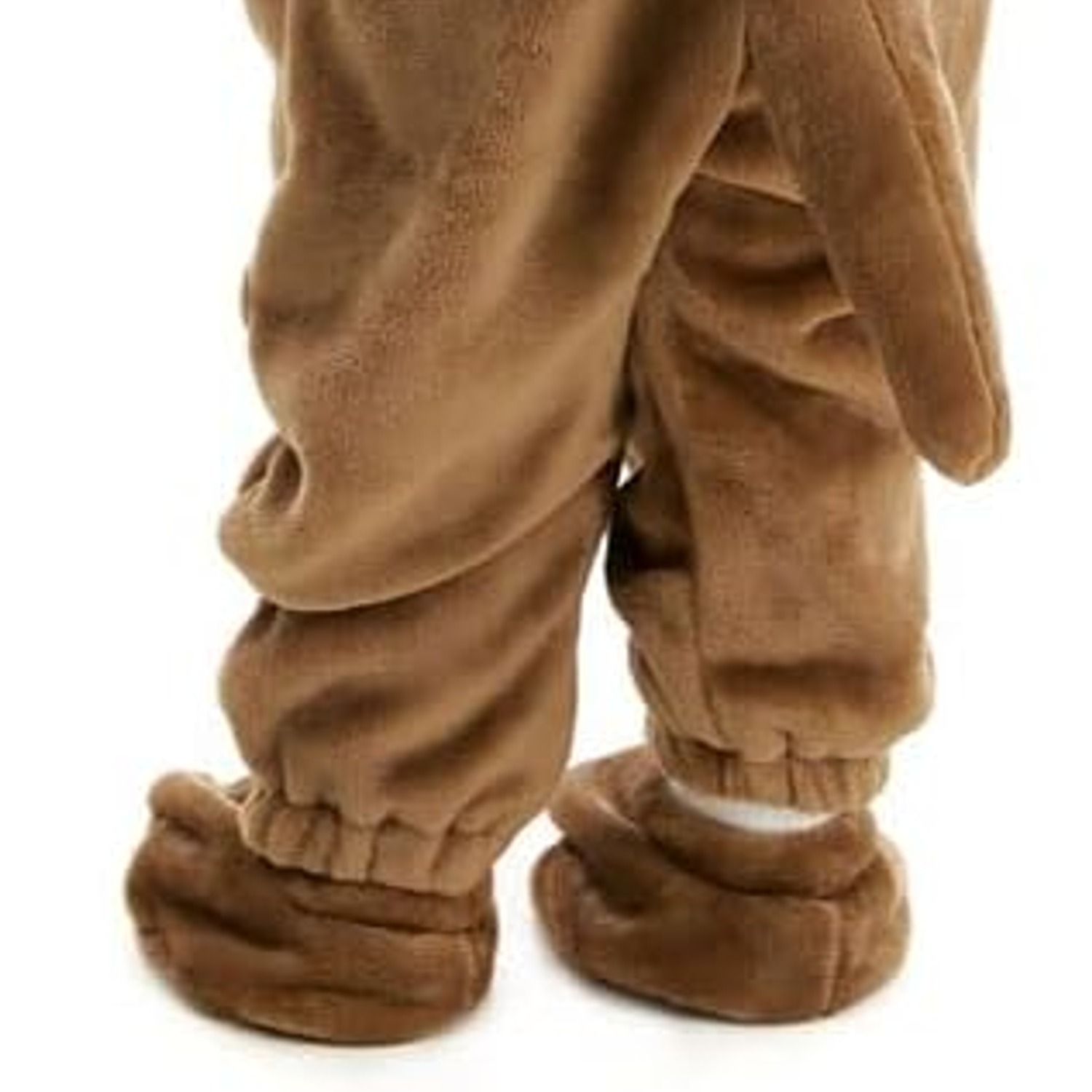
The main piece is a jumpsuit. A separate three-dimensional hood and individual foot covers are also listed. These pieces form the described costume set, rather than a collection of accessories you have to source one at a time.
There are limits to what the maker's description tells us. It does not describe the hood fastening, the construction of the foot covers or the full details of any decorative features. Avoid assuming that extra props or clothing are included simply because they might appear useful for the theme.
For any costume with foot covers, it helps to think about where the child will wear it. An indoor photo session has different needs from a walk to an event. The covers are not described as shoes, and there is no information about their soles or grip.
What the age-four label means
The title says 12-18 Months, but age is not a measurement. Children of the same age can differ in height and body shape. A costume that works for one child may pull at the shoulders or bunch at the ankles on another.
Before buying a kangaroo costume age four, measure your child and request a size chart or the actual garment measurements. Height and chest measurements are useful starting points. For a one-piece garment, body length also matters because the top and pants cannot move independently.
Think about what your child will wear underneath. A light layer takes up less room than a thick outfit. Do not choose a size on the assumption that the fabric stretches, because stretch information is not given by the maker.
The broader source description mentions newborns, infants and toddlers. That does not establish that this specific age-four page comes in those sizes. If you searched for a kangaroo costume for babies, check the selected version carefully before purchasing.
Understanding the fabric description
The maker's description uses the terms baby velvet and coral velvet. It describes a soft, fluffy fabric, but does not identify the fibers used to make it. Those fabric names should not be treated as proof of cotton, polyester or any particular blend.
This distinction can matter if your child has strong fabric preferences. Some children enjoy a fluffy texture, while others prefer a smoother surface. If that choice is important, ask for a photograph of the composition label rather than guessing from the costume images.
The maker also describes the outfit as warm and breathable. There are no test details or temperature guidelines in the maker's description. Plan for the actual room or weather, and watch how your child feels while wearing it.
A hooded animal costume may be appealing for its look, but the fabric description alone cannot tell you how it will feel during a busy party.
Check the fastening before the event
The zip description needs clarification. The maker mentions a concealed back design and also describes an opening from chin to feet. Those details do not establish one clear fastening layout, so it is worth asking where the zip sits and how far it opens.
That information can help you plan dressing and toilet breaks. A one-piece animal costume has a different dressing routine from a top-and-trouser set. Leave enough time to work out the opening rather than trying it for the first time just before leaving.
Once you have decided to keep the outfit, check that the zip operates without catching fabric. Do not force a fastening that feels stuck. Help your child dress, and keep the surrounding fabric clear as you close it.
The hood and foot covers are separate pieces. Their fastening methods are not stated, so check those as well before the first planned wear.
Think about movement, not just appearance
A costume should be assessed while the child moves, not only while they stand still for a photograph. Once it is appropriate to try the outfit, check whether your child can sit, bend and walk without the garment pulling.
Look at the hood position and whether the foot covers stay where expected. The maker does not give details about face openings, elastic or sole construction. These are things to inspect, not features to assume.
If you are still deciding whether to return the item, first ask customer service how to assess fit without breaching the unworn return condition. Keep the packaging and avoid washing it.
An animal jumpsuit costume can look right on a hanger yet feel wrong in use. Your child's response is useful information. If the shape or fabric bothers them, it is better to know before the event.
Choosing an occasion
The maker suggests Halloween, Christmas and everyday use. That makes the theme worth considering for different dress-up plans, but the setting should guide your choice.
For a Halloween kangaroo costume, check the delivery estimate before committing to the outfit. If the event includes walking outdoors, plan suitable footwear and clothing for the weather. The included foot covers do not come with stated outdoor performance details.
For an indoor celebration, consider how warm the room may become. Busy play and a fluffy outfit can call for breaks or a change of clothes. There is no need to plan for the costume to stay on throughout the whole event.
For home play, keep the focus on whether your child enjoys wearing it. A toddler dress-up outfit should be chosen for the child and the activity, not only for the picture you hope to take.
How to compare it with other costumes
When comparing a children's kangaroo costume with alternatives, start with the information each product page supplies. A clear size chart is more useful than a broad promise about fit. An exact fabric composition tells you more than a texture name.
Next, compare the included pieces. The maker lists a separate hood and foot covers with the jumpsuit. Another outfit may include a different set, so compare like with like rather than judging only the main photograph.
Check care instructions too. A costume for repeated home play may need cleaning more often than one bought for a single event. Here, cold machine washing and low tumble drying are listed, although the garment label should be checked when it arrives.
Finally, review delivery and return terms alongside the price. The best costume choice for your family is one that meets your practical needs, not simply the one with the most detailed-looking picture.
Caring for the outfit
The supplied washing direction is to machine wash cold with like colors. The maker's description permits non-chlorine bleach if needed and low tumble drying, followed by prompt removal. Always check the garment label before cleaning.
Do not assume all pieces have identical care needs. Read any labels on the separate hood and foot covers as well as the jumpsuit. If instructions differ, follow the directions for each piece.
Ironing is mentioned, but a temperature is not given. Avoid guessing at a heat setting for a fabric whose fiber composition is unknown. Ask for advice if the label does not make the setting clear.
After cleaning, make sure each piece is dry before storage. Keeping the set together can also save a search for a missing foot cover before the next dress-up session.
Delivery, gifting and returns
If you need the outfit for a particular day, confirm the current estimate for your address before ordering. Leave room to inspect the contents and resolve any problem.
For gifting, check the child's size with their parent or carer first. An age label alone is a weak basis for choosing a fitted garment. The return window also starts at delivery, which may be earlier than the day the gift is opened.
The supplied change-of-mind terms allow 14 days from delivery. The item must be unworn, unwashed and in its original packaging, with return postage paid by the customer.
Faulty or wrongly described goods are treated separately under the consumer protection law of the buyer's state. Keep your order information and contact customer service promptly if something is wrong.
The short version
This kangaroo costume includes a jumpsuit, separate shaped hood and individual foot covers. Its title says 12-18 Months, but the maker does not provide measurements or a full fiber composition.
Confirm the fit, zip arrangement and delivery estimate before buying. Keep the return conditions in mind while checking the item, then follow the garment labels when it is time to wash it. Those simple checks give you a clearer basis for choosing an outfit your child can enjoy.